





 My computer is old, it takes a long time to load iTunes on my Windows every time I try to watch an iTunes film. I don't want to swap it to a new computer now. Can I play iTunes M4V on other lightweight player without iTunes?
— Ellie Perez
Is iTunes completely grinding your older Windows PC to a halt every time you try to play a movie? I feel your pain. I was trying to run a movie I bought years ago on a budget laptop, and iTunes was eating up so much CPU that the fan sounded like a jet engine taking off.
Fortunately, you do not necessarily need to buy a brand-new computer or keep struggling with bloated software just to enjoy your digital film collection. Let's look at how you can Apple's heavier desktop apps and stream or play your iTunes M4V movie files using lighter, more efficient methods.

The Official Ways to Watch iTunes Movies Without iTunes App
If your main goal is simply getting rid of the clunky, legacy iTunes desktop program, Apple actually gives you a couple of modern alternatives on Windows today.
1. The Native Apple TV App for Windows
Apple finally split iTunes into standalone apps for newer Windows builds. During my testing on a Windows 11 machine, the standalone Apple TV app loaded much faster and dropped background RAM usage noticeably compared to legacy iTunes.
- Install the Apple TV app from the Microsoft Store.
- Launch it and sign in with your Apple Account and your library will sync right up.
- You can stream or download iTunes movies for offline viewing directly inside the app.
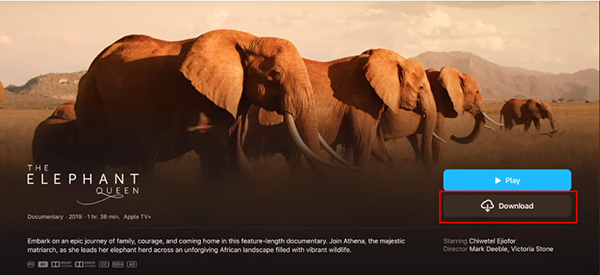
A Quick Warning: Streaming via Web Browser
The Apple TV web player is designed exclusively for the Apple TV subscription catalog (Apple Originals). You can't use it to access or stream the iTunes purchases and rentals. Don't waste your time.
2. Cast to a Smart TV or Streaming Stick
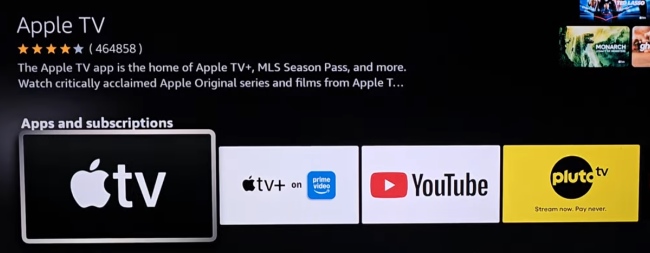
If your PC is just too slow to render video smoothly, consider shifting the workload off your computer entirely. Roku, Fire TV, Android TV, and most modern smart TVs have a native Apple TV app built-in. Sign in once, and you can stream your iTunes purchases straight on the big screen without touching your PC.
Best Way to Play Local iTunes Movies Without iTunes/Apple TV App
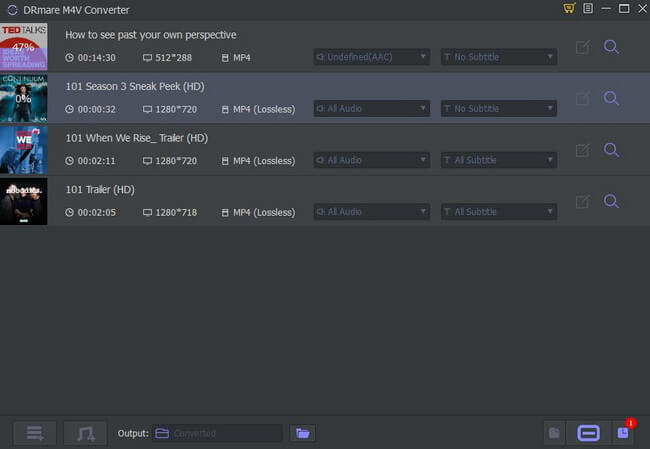
For users who prefer keeping files locally stored without dealing with cloud latency, format conversion is often the preferred route. During my evaluation of workflow efficiencies, I noticed that specialized video converters, like DRmare M4V Converter can process protected M4V libraries into universal formats like standard MP4.

When testing DRmare, I found that it specializes in converting iTunes M4V purchases and rentals into plain MP4 or MKV formats while preserving multi-language audio tracks and subtitles. However, there is an important detail to keep in mind before you jump in: it relies on a compatible iTunes environment to handle the decryption.
How to Convert iTunes Videos as Local Files
- Make sure your iTunes environment is authorized with your Apple account.
- Add the downloaded iTunes movies into the DRmare interface.
- Choose a widely compatible format like MP4 (H.264 / AAC) to ensure it plays on almost any media player.
- Start the conversion process, then immediately open the output file in VLC or Windows Media Player to check for smooth video, synced audio, and subtitle tracks.
Once converted into a standard format free of FairPlay restrictions, your files open up a world of possibilities:
- Play Anywhere: You can drop the converted files into lightweight, highly optimized media players like VLC Media Player, MPC-HC, or KMPlayer, which consume a fraction of the system resources that iTunes requires.
- Preserve Originals: Reputable conversion software simply reads the stream and generates a clean copy, leaving your original files untouched in your iTunes directory.
- Stream via Local Media Servers: Instead of cluttering your local storage or relying on costly cloud tiers like iCloud, you can stream your converted movies across your home network to tablets, smart TVs, or phones using lightweight local servers like Plex.
Wrapping Up
Watching your iTunes movies without putting up with legacy iTunes is completely doable. It just comes down to choosing the right tool for your specific setup:
- Want the easiest official upgrade? Switch to the lightweight Apple TV app for Windows or stream on your Smart TV.
- Need offline MP4 files for any device? Look into DRmare M4V Converter, but make sure to verify your system setup and file types first.
What does your current setup look like? If you run into a specific error code or black screen while testing your movie files, let me know what operating system and player you're using, I'd be happy to help you figure it out!

 Home



User Comments
Leave a Comment