





 As a programmer who uses Linux systems daily, I'm having trouble trying to access Apple Music on my setup. Previously, I had no problems playing Spotify on Linux, but I switched to Apple Music as an Apple fan with multiple iOS devices. Can I download Apple Music on Linux? If so, how can I do it?
 -- From discussion.apple.com
Linux users often struggle with Apple Music because of the lack of an official Apple Music client for Linux. However, by leveraging modern containerization and conversion tools, you can bridge this gap. In this article, we'll explore 4 methods to stream and download Apple Music on your Linux workflow based on your technical needs.
Is Apple Music on Linux in 2026?
Apple Music has quickly become a powerhouse in the streaming world since its launch, attracting millions of users worldwide. Users can easily access Apple Music on a wide range of devices, including Apple devices, like iPhone, iPad, iPod Touch, Mac, Apple Watch, Apple TV, and HomePod, Windows computers, Android devices, and smart TVs.
Unfortunately, Apple Music is not officially available on Linux, whether you are using Ubuntu 24.04 LTS, Arch, or Fedora. Apple has not released a dedicated Apple Music app for Linux, and there is no official support for using the Apple Music service on this platform. Therefore, we've curated a list of technical workarounds that will let you use Apple Music on your Linux machine.
Quick Comparison: Which Linux Method Fits You?
| Solution | Technology | Audio Quality | Offline Support | Target User |
|---|---|---|---|---|
| Web Player | Browser (Widevine) | 128kbps AAC | ❌ None | Casual listeners & quick sessions. |
| DRmare Apple Music Converter | DRM Removal | 24-bit/44.1kHz FLAC | ✅ Permanent | Audiophiles & local library collectors. |
| Cider (v2.6+) | API Client | 256kbps AAC | ❌ None | Developers who love aesthetic desktop setups. |
| Virtual Machine | Virtualization | 256kbps / Lossless | ✅ In-App | Users needing official sync or proprietary features. |
| Waydroid | Containerization | 24-bit Lossless | ✅ In-App | Linux power users & tech enthusiasts. |
The Instant Fix: Play Apple Music on Linux via Apple Music Web Player
If you just need background noise while compiling code, the Apple Music Web Player is your fastest bet. Although this method doesn't allow direct Apple Music downloads for offline listening, it provides a convenient way to stream Apple Music via all popular web browsers on your Linux computers with minimal setup.
How to Use Apple Music Web Player on Linux
Step 1. Open your web browser and go to the https://music.apple.com/.
Step 2. Click the 'Sign In' button at the top-right corner of Apple Music Web Player to authorize your Apple Account and passwords.
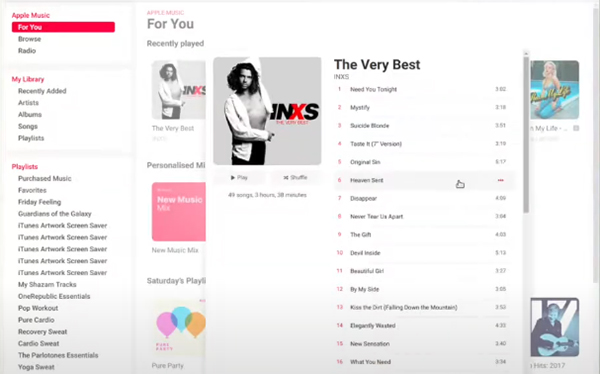
Step 3. You can now browse, play, and create Apple Music playlists directly in the web player on Linux.
Reality Check:
While the web interface is now sleeker and supports AI-generated mixes, it relies on Widevine DRM. This limits audio quality to a compressed 128kbps AAC. For developers using high-end headphones or DACs, this will sound noticeably "flat."
The Audiophile Choice: Download Apple Music on Linux via USB Flash Drive
If you prefer the stability of a local music library over cloud streaming, look no further. Since Apple Music tracks are encrypted, you can't simply copy them into your local ~/Music folder. DRmare Apple Music Converter serves as the bridge for the Linux community. This method involves using a macOS or Windows machine (or a VM) to convert and export Apple Music files in a compatible format for Linux. After that, it's easy to transfer downloaded Apple Music to your Linux partition.
DRmare Apple Music Converter runs at 30X faster speed to convert Apple Music to MP3, FLAC, WAV, etc. for Linux, matching Apple's Lossless master quality. All converted Apple Music are common audio files without protection, you can use any built-in media player to stream and play Apple Music on Linux even without relying on an internet connection.
Tools You Need
- DRmare Apple Music Converter
- A Windows or macOS Computer
- USB Flash Drive
- An activate Apple Music subscription
- A Linux media player
How to Download and Transfer Apple Music to Linux for Playing
- Step 1Add Apple Music tracks to download
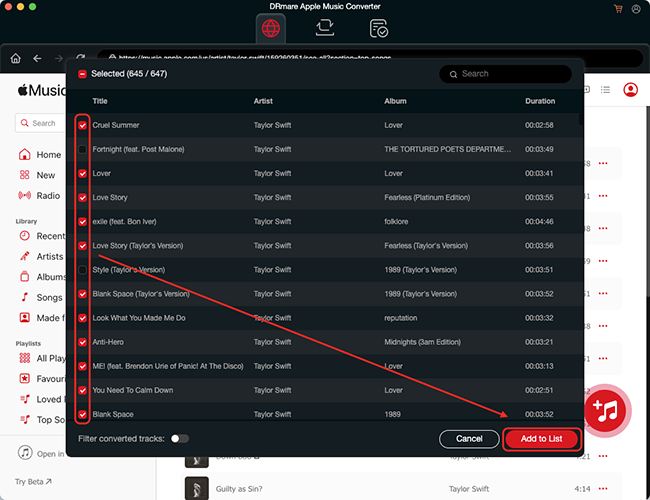
Install and open the DRmare Apple Music Converter on your computer and tap the "Sign In" button to authorize your Apple Account. Now, you can browse your Apple Music library and click the "Add" > "Add to List" button to select and load target tracks into the conversion queue.
- Step 2Choose a compatible format of Apple Music for Linux
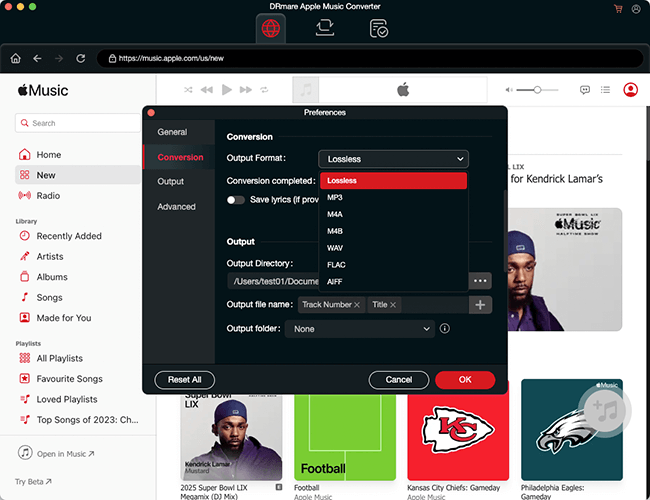
Choose the output format of Apple Music as "FLAC" or "WAV" by clicking the "menu" or "DRmare Apple Music Converter" > "Preferences" > "Conversion" option. These files are compatible with most Linux media players for a smooth playback. You can also customize other Apple Music parameters as you like.
- Step 3Download Apple Music for Linux
Plugin your USB flash drive or external hard drive into your computer. Then you can select the output folder as your USB drive and click the "Convert" button from the bottom right. Your songs will be saved to the USB drive.
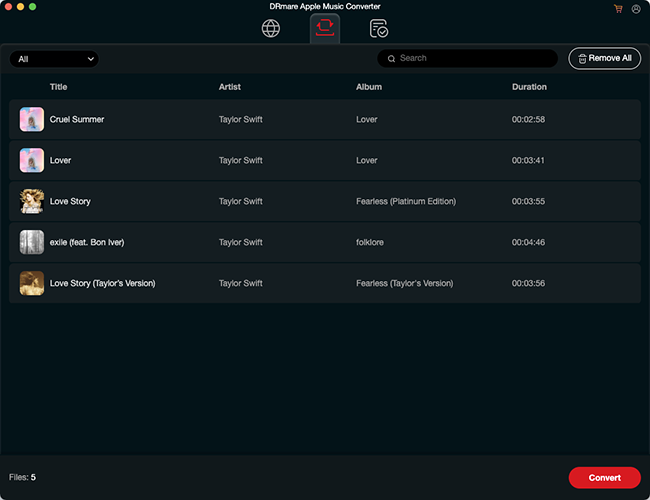
- Step 4Transfer Apple Music to your Linux
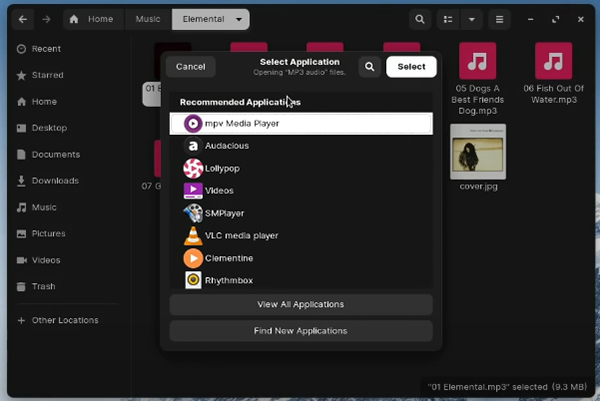
When the conversion is done, you will get all local Apple Music files in the USB drive. Insert the USB drive into your Linux system, copy the converted files, and paste them into your music library. Now, you can play your Apple Music tracks on any media player in Linux.
The Advanced Fix: Download Apple Music Client for Linux
If you want to use Apple Music client on your Linux directly, several advanced methods allow you to bridge the gap between Apple's ecosystem and your Linux desktop. From community-driven native clients to full system virtualization, here are the most effective ways to integrate Apple Music into your Linux environment.
Cider: The Premier Third-Party Apple Music Client
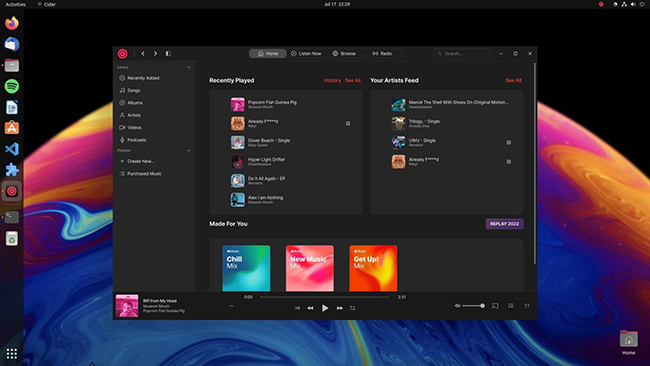
Cider is an open-source, community-oriented project designed to bring a high-performance Apple Music experience to non-Apple platforms. Unlike a simple web wrapper, Cider is built on the official Apple Music Kit API, offering a pro-grade interface that feels native to Linux.
Why Choose Cider?
- Cider 2.6.x+: Features a completely rewritten Linux client for better stability and lower resource usage.
- Audio Lab & Spatial Audio: Includes a proprietary "Adrenaline Processor" and spatial audio profiles to enhance sound quality.
- Ecosystem Integration: Supports Discord Rich Presence, Last.fm scrobbling, and system-controlled accent colors.
- Performance: Significantly lighter on system resources (RAM/CPU) than running a full browser or a Virtual Machine.
- Experience: It provides a seamless UI that mimics the aesthetics of modern macOS and iOS, complete with real-time synced lyrics.
How to Install and Use Cider on Linux:
Step 1. The easiest way to install Cider is via Flatpak or the Snap Store. Run the following command in your terminal:
- Flatpak:
flatpak install flathub sh.itv.cider - Snap:
sudo snap install cider
Step 2. Launch the app and click the 'Login' button. You will be redirected to a secure Apple login window to authorize your account.
Step 3. Head into the Cider settings to enable 'Audio Enhancements' or customize the UI to match your Linux desktop theme.
Virtual Machine (VM): The "Official App" Full Fix
For users who require 100% of the official Apple Music features, such as Lossless offline downloads or the latest Apple-exclusive UI updates, running a Virtual Machine (VM) is the most robust solution. This involves running a guest instance of Windows or macOS inside your Linux host.
Configuration Essentials:
- Guest OS: Windows 11 (Home or Pro).
- USB Passthrough: Enable this to allow the VM to recognize iPhones or external DACs for syncing.
- Memory: Assign at least 4GB of RAM to the guest OS for a stutter-free music experience.
Lists of Virtual Machines to Install Apple Music on Linux
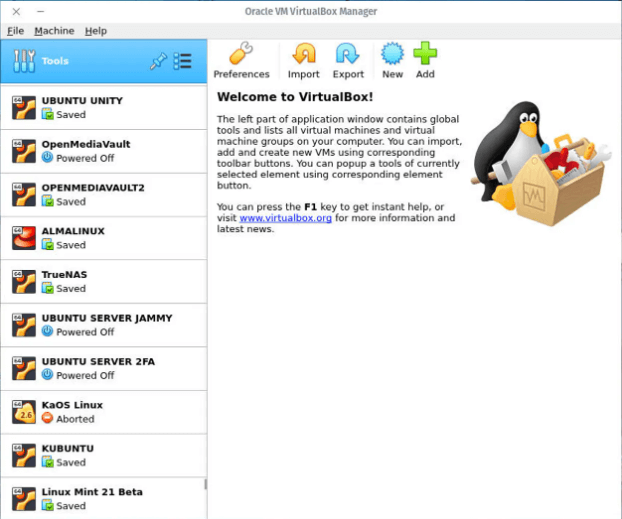
VirtualBox is a powerful, free, and open-source virtualization software developed by Oracle. It allows users to run multiple operating systems simultaneously on a single physical machine.
Whether you need to run Windows on your Linux machine or test a new version of Ubuntu on your Windows PC, VirtualBox makes it easy to create and manage virtual environments. It's widely used for software testing, development, and education due to its extensive features, support for a variety of guest OSes, and ease of use.
WINE (Wine Is Not an Emulator) is a compatibility layer that allows Windows applications to run on Unix-like operating systems, including Linux and macOS. Instead of emulating a complete Windows environment, WINE translates Windows system calls into POSIX-compliant calls, offering a more efficient way to run Windows software on non-Windows platforms. It's widely used for running productivity software, games, and other applications that are not natively supported on Linux or macOS.
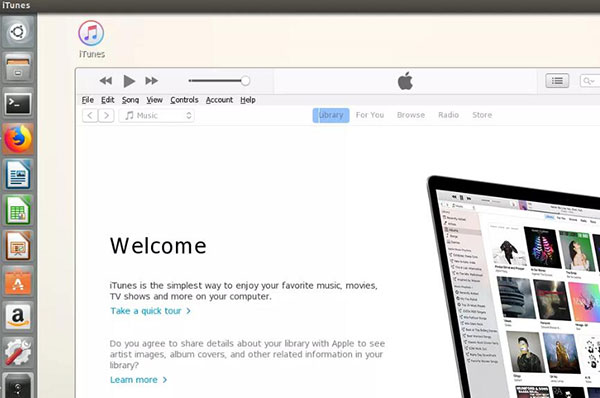
How to Install Apple Music Client for Linux Using VM
Step 1. Install a VM software on your Linux system.
Step 2. Create a new virtual machine and install a compatible version of Windows or macOS.
Step 3. Once the VM is set up, download and install the Apple Music app from the Microsoft Store (for Windows) or App Store (for macOS).
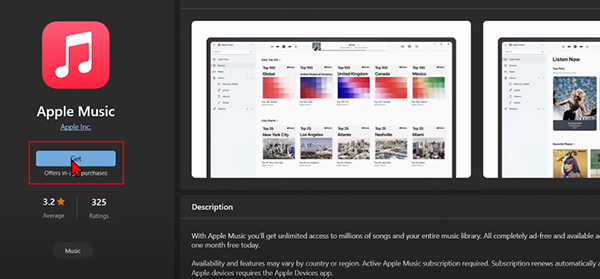
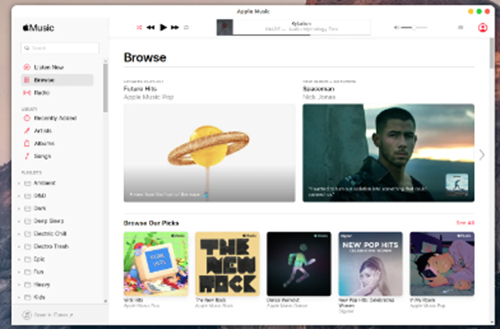
Step 4. Open the Apple Music client on your Linux, sign in with your Apple Account, and stream and download your desired songs, albums, or playlists for offline listening within the VM.
The Snap Store: Sandboxed Stability
For users on distributions like Ubuntu, who prioritize stability and ease of installation, the Snap Store (developed by Canonical) provides pre-packaged versions of Apple Music tools. Snaps are "sandboxed" applications, meaning they come bundled with all necessary dependencies and won't conflict with your system libraries.
Install Community Apple Music Client on Linux via Snap
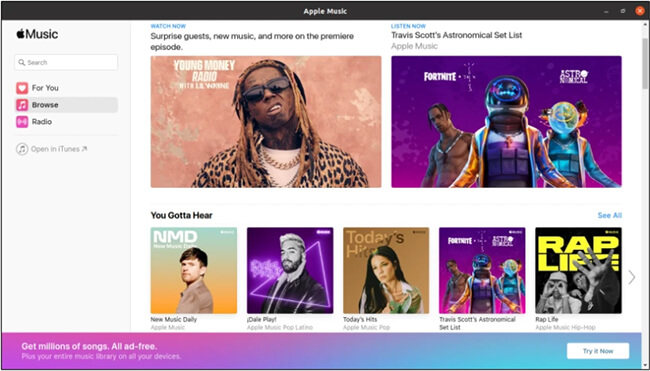
Step 1. You can find standalone Electron wrappers like apple-music-for-linux.
Step 2. Use the following installation commands:
- To install the standalone wrapper:
sudo snap install apple-music-for-linux - To install the latest snapd:
sudo snap install snapd
Step 3. Once installed via the Snap Store, your Apple Music client will update automatically in the background as new versions are released. You can open it and authorize your account to listen to Apple Music on Linux.
The Power User Move: Apple Music Android Integration on Linux via Waydroid
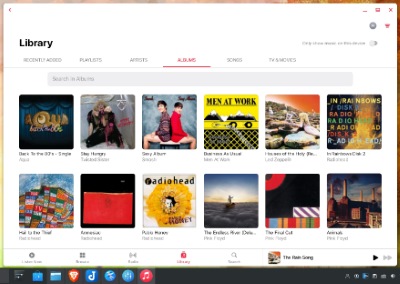
Waydroid is currently the trendiest solution for Linux audiophiles in 2026. It allows you to run the native Android version of Apple Music in a container, which is often faster and more feature-rich than the web-based desktop versions.
Why use Waydroid?
- Lossless & Lyrics: The Android app supports 24-bit Lossless audio and real-time synced lyrics, which many web-wrappers do not.
- Near-Native Performance: Unlike a VM, Waydroid shares the Linux kernel, resulting in significantly lower CPU overhead.
How to Install Apple Music Android App on Linux
Step 1. Install Waydroid on your distro (requires a Wayland session like GNOME or KDE Plasma 6).
Step 2. Sideload the Apple Music APK. It appears as a standard window in your Linux taskbar, offering the most "official-feeling" experience available on the platform.
Tips:
If the app says "No Internet", you may need to use a command like waydroid prop set persist.waydroid.fake_wifi com.apple.android. to trick the app into thinking it is on Wi-Fi rather than Ethernet.
FAQs about Using Apple Music for Linux
Can I use WINE to run iTunes?
Not recommended. Modern iTunes versions (2025-2026) have deep dependencies on Windows system drivers that WINE struggles to translate, leading to frequent crashes and poor audio stability.
Is Cider 2 a good alternative?
Yes. Cider 2 is a beautiful, third-party open-source client for Linux. It offers great UI and Discord integration. However, like the Web Player, it is still subject to Apple's API limitations regarding high-resolution offline downloads, which is why the DRmare Apple Music Converter method remains the standard for offline Hi-Fi.
Why is there no official Apple Music Linux app?
The absence of an official Apple Music Linux app stems from four main factors:
- Market Share: Linux's consumer desktop share is small compared to Windows and macOS, making the ROI for developing and maintaining a native app across various distros low for Apple.
- Fragmentation: Supporting the diverse array of package formats (Snap, Flatpak, AppImage) and desktop environments (GNOME, KDE) presents a significant engineering and QA challenge.
- DRM Complexity: Implementing Apple's FairPlay DRM on an open-source kernel is difficult. This is why the web player often caps quality at 128kbps, as higher-quality Lossless streams require tighter hardware/software integration.
- Ecosystem Strategy: Apple uses exclusive features like Lossless, Spatial Audio, and Handoff to incentivize users to remain within their hardware ecosystem (macOS and iOS).
In Conclusion
While an official Apple Music client for Linux remains absent in 2026, the community has built powerful bridges to close the gap. Your choice depends on your specific workflow:
- For convenience: Use the Web Player for instant, zero-install streaming.
- For the best UI: Install Cider via Flatpak for a sleek, social-ready desktop experience.
- For native features: Leverage Waydroid to run the Android app with synced lyrics and Lossless support.
- For total control: Use DRmare Apple Music Converter to build a permanent, high-fidelity local library that works offline on any Linux media player.
No matter your technical expertise, you can now enjoy a premium Apple Music experience on your Linux setup.

 Home
Home





User Comments
Leave a Comment