





For years, Tidal held a monopoly on the "audiophile" market. It was the only serious choice for listeners who demanded better-than-MP3 quality. However, the streaming landscape has shifted dramatically. With "Lossless" audio now becoming the industry standard rather than a premium luxury, the reasons to stay exclusively with Tidal are dwindling for many users.
If you're looking to switch from Tidal or simply want to know what else is out there, you need a guide that cuts through the noise. We have tested the top Tidal competitors to help you find the best Tidal alternative for your specific listening habits here.
1. Qobuz: The Best Tidal Alternative for Purist Audiophiles
If you originally joined Tidal strictly for the sound quality, one of the apps like Tidal, Qobuz, is the most natural transition. It is often described as a "digital record store" rather than a tech platform, prioritizing sound fidelity and music appreciation over algorithmic engagement.
Why It Beats Tidal
Qobuz offers true 24-bit/192kHz FLAC streaming without any proprietary packaging. While Tidal has recently moved away from MQA, Qobuz has a longer track record of delivering unadulterated Hi-Res files. Furthermore, Qobuz finally rolled out Qobuz Connect, allowing you to cast music directly to supported hardware (like BluOS and Naim), fixing its biggest historical usability flaw.
Key Features for Audiophiles
- Audio Quality: Up to 24-bit / 192kHz (True Hi-Res).
- Editorial Content: Deep-dive panoramas, liner notes, and digital booklets that Tidal lacks.
- The Store: Uniquely allows you to purchase and download permanent Hi-Res files (often at a discount for "Sublime" subscribers).
- Artist Fairness: Qobuz consistently pays the highest rates per stream in the industry, appealing to the ethical listener.
The Verdict: Choose Qobuz if you treat listening to music as a dedicated activity rather than background noise.
2. Apple Music: The Best Alternative for Apple Ecosystem Users
Apple Music has aggressively targeted Tidal's market share by effectively killing the "audiophile tax." By including full Lossless and Spatial Audio in their standard plan, they offer incredible value, especially if you already own an iPhone, iPad, or Mac.
Why It Beats Tidal
The sheer volume of features you get for the price makes Apple Music a heavyweight. Its implementation of Dolby Atmos (Spatial Audio) is widely considered the best in the industry, offering a more immersive 3D soundstage than Tidal's 360 Reality Audio. Additionally, for fans of Bach and Beethoven, the dedicated Apple Music Classical app offers metadata and search capabilities that Tidal simply cannot match.
Key Features for Ecosystem Users
- Audio Quality: Lossless (up to 24-bit / 48kHz) and Hi-Res Lossless (up to 24-bit / 192kHz).
- Library Management: The "iCloud Music Library" feature lets you upload your own rare tracks and bootlegs, seamlessly mixing them with the streaming catalog.
- Radio: "Apple Music 1" offers human-curated radio shows that feel more alive than algorithmic stations.
The Verdict: Choose Apple Music if you want the highest technical specs (192kHz) and immersive audio without paying a premium price, and you are comfortable in the Apple ecosystem.
3. Spotify: The Best Tidal Free Alternative for Discovery & Social Features
For years, the advice was simple: "Pick Spotify for playlists, pick Tidal for sound." In late 2025, that distinction blurred. With the rollout of Spotify Lossless to Premium subscribers, the world's most popular streaming service is now a viable option for critical listeners.
Why It Beats Tidal
While Spotify's lossless tier tops out at 24-bit/44.1kHz (better than CD quality but technically lower than Tidal's 192kHz max), this quality is indistinguishable from "True Hi-Res" for 99% of listeners and equipment. In exchange for that slight dip in technical numbers, you gain access to the industry's best discovery algorithms. Features like "Discover Weekly" and the dynamic "Daylist" are lightyears ahead of Tidal's "My Daily Discovery."
Key Features for Social Listeners
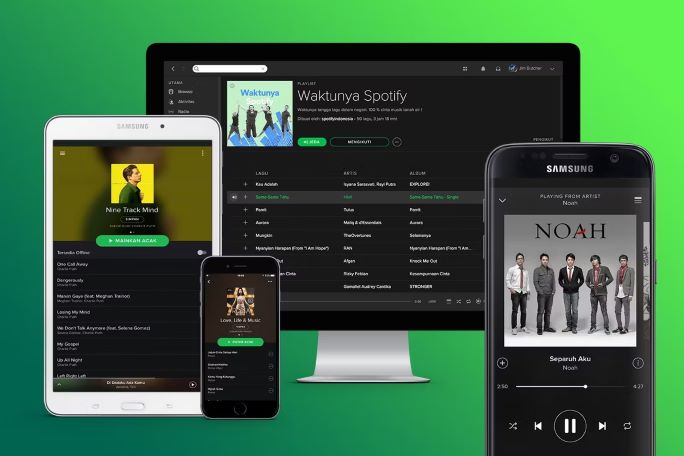
- Spotify Connect: The absolute gold standard for controlling music. Seamlessly hand off playback from your phone to your PS5, TV, Sonos, or smart speaker without a glitch.
- Social Integration: The best platform for sharing tracks, collaborative playlists ("Blends"), and seeing what friends are listening to in real-time.
- Podcasts & Audiobooks: A massive, integrated library of spoken-word content that keeps everything in one app.
The Verdict: Choose Spotify if you feel isolated on Tidal and miss the social/viral aspect of music, or if you value superior playlists over the absolute theoretical maximum bitrate.
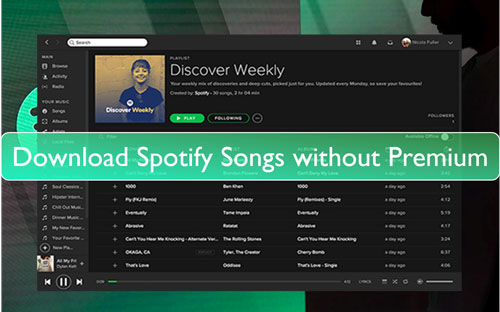
Can you download music from Spotify without Premium? Yes! Here are 5 ways to download Spotify songs without Premium on Android, iPhone, and a computer.
4. Amazon Music Unlimited: The Best Budget Option for Prime Members
If your main goal is to get Hi-Res audio for the lowest possible monthly cost, Amazon Music Unlimited is one of the pragmatic alternatives to Tidal. It matches Tidal's technical specifications on paper, often for a lower price if you are a Prime subscriber.
Why It Beats Tidal
The primary advantage here is cost-efficiency for Prime members. Amazon provides access to millions of songs in Ultra HD (their term for 24-bit/192kHz), meaning you get the same audio fidelity as Tidal's top tier for less money.
Key Features for Deal Hunters
- Integration: deeply integrated with the Echo ecosystem. If you have an Echo Studio, this is the best way to feed it high-quality audio.
- Catalog: A massive library that rivals Spotify and Apple.
- X-Ray: A neat feature that displays trivia and lyrics in real-time while you listen.
The Verdict: Choose Amazon Music if you want Hi-Res audio on a budget and can tolerate a user interface that is generally considered clunkier and slower than Tidal or Spotify.
Comparison of Top Best Tidal Music Alternatives
To help you visualize the differences among Tidal alternatives, here is a quick breakdown of the key metrics that matter to former Tidal users. 2026 has brought price increases across nearly every large mainstream service. Spotify now has the highest standard music-only Individual price among the major general-purpose platforms at $12.99, although Amazon charges the same amount to customers without Prime. Apple Music, TIDAL, Deezer, and YouTube Music are clustered around $11.99 per month, while Qobuz remains at $12.99 monthly for its high-resolution Solo plan.
| Feature | Qobuz | Apple Music | Spotify | Amazon Music | Tidal |
|---|---|---|---|---|---|
| Max Bitrate | 24-bit / 192kHz | 24-bit / 192kHz | 24-bit / 44.1kHz | 24-bit / 192kHz | 24-bit / 192kHz |
| Price | $10.83/month | $11.99/month | $12.99/month | $11.99/month | $11.99/month |
| Best For | Audiophiles | Apple Users | Music Discovery | Value for Prime Members | Audiophiles |
| Connect Feature | Yes (New!) | No (AirPlay only) | Yes (Excellent) | Yes (Alexa Cast) | Yes |
| Spatial Audio | No | Yes (Dolby Atmos) | No | Yes (Dolby/360) | Yes |
| Artist Pay | High (Top Tier) | Medium | Low | Medium | High |
| Key Advantage over Tidal | Option to purchase and download hi-res tracks, extensive editorial/liner notes. | Seamless Apple device integration, Lossless and Spatial Audio included at no extra cost. | Largest user base, best-in-class discovery algorithms (AI DJ, collaborative playlists). | Discounted price for Prime members, superior Alexa integration. | / |
Tips:
Switching to a new music platform shouldn't mean abandoning your perfectly curated playlists and library. Once you've selected your ideal Tidal alternative, there is a perfect method available to ensure a smooth, worry-free migration.
While streaming services only allow temporary, device-locked downloads, dedicated tools like DRmare Streaming Audio Recorder (supporting Amazon Music, Spotify, Apple Music, Tidal, Deezer, etc.) can help you create permanent, local copies of your tracks. After that, you can transfer all your Tidal playlists to another streaming music service.
FAQs about Best Alternatives to Tidal
Who are some of Tidal's biggest competitors?
The main competitors are Spotify, which now offers lossless audio alongside superior social features, and Apple Music, which provides Hi-Res and Spatial Audio at a standard price point. Amazon Music Unlimited competes on value for Prime members, while Qobuz rivals Tidal in the high-end audiophile niche with pristine sound quality.
What app is equivalent to Tidal?
Qobuz is the closest functional equivalent. Like Tidal, it strictly prioritizes audio fidelity (up to 24-bit/192kHz) and human curation over podcasts or algorithms. It targets the same purist demographic that values liner notes, high artist payouts, and an uncompromised listening experience.
What is the best Tidal alternative for Android?
Apple Music is the best overall choice, offering a robust Android app with full Hi-Res and Dolby Atmos support. However, for serious audiophiles using external DACs, Qobuz is superior because it integrates with tools like USB Audio Player PRO (UAPP) for bit-perfect playback, bypassing Android's internal audio limitations.
In Conclusion
With Lossless audio now standard across major platforms, staying with Tidal is no longer your only path to high-quality sound. Qobuz is perfect for purist audiophiles, Apple Music offers top-tier Lossless and Spatial Audio for ecosystem users, Spotify shines in discovery and social features, and Amazon Music delivers Hi-Res at a budget-friendly price.
Each service brings something Tidal can't match, so the best choice depends on your priorities, sound quality, features, or value. And once you decide, transferring your playlists is simple with the right tools, ensuring a smooth transition to your new streaming home.

 Home
Home





Here's the full guide on how to download all Apple Music on all devices, including ways to download all songs on Apple Music at once on iPhone and Android.