





BLUF: Apple Music allows offline downloads, but where does Apple Music download to? On Windows, they are hidden in the new Apple Music app directory; on Mac, in the Music Media folder; on Android, deep in the system data; and on iOS, they are completely locked away from the Files app.
However, these files are saved as DRM-protected cache files (M4P format) and cannot be moved or played outside the Apple Music ecosystem. To find these exact folder paths or bypass these device locks entirely, you must use a tool, like DRmare Apple Music Converter, to export them to local files. Follow our tested 2026 guide below.
💡 Quick Answer: Apple Music Download Location
For quick reference, here is the official local download directory mapping for Apple Music offline downloads:
| Operating System | Default Local Storage Location | Accessible via Native File Manager? |
|---|---|---|
| Windows (New App) | C:\Users\[Username]\Music\Apple Music\Media\Downloads |
Yes (Hidden Cache) |
| Mac (macOS) | /Users/[Username]/Music/Music/Media/Music/ |
Yes |
| Android (OS 13+) | Internal Storage/Android/data/com.apple.android.music/files/Media |
Requires Specialized File Manager |
| iOS (iPhone/iPad) | /private/var/mobile/Media/iTunes_Control/Music/ |
No (Root Locked / Sandboxed) |
Part 1. Deep Dive: Where Are Apple Music Downloads Stored?
Apple Music automatically stores your offline music in a default folder determined by your operating system. However, looking inside these download folders won't reveal clean, shareable MP3 files. Instead, you will find encrypted fragments or .m4p files bound by FairPlay DRM. If you don't matter, you can follow the steps below to find out where do Apple Music downloads go.
For Android:
On Android, Apple Music routes tracks directly to your internal system storage or an external storage card. The downloaded Apple Music files are stored in:

Step 1. Open the File Manager app.
Step 2. Go to your Internal Storage.
Step 3. Tap on Android > Data > com.apple.android.music. Then open it and you can find your Apple Music downloads in the Media folder.
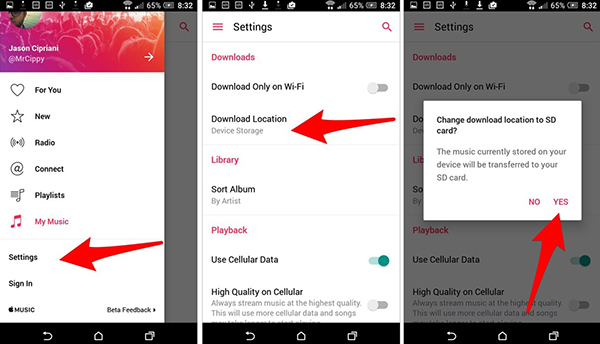
For Android 13–16 Storage:
Modern Android versions strictly block the native "Files" app from accessing the Android/data folder for privacy. To open this directory, you must connect your phone to a PC via USB or use a third-party root-level file manager like Solid Explorer.
Tips:
You can change the storage location on an SD card to save Apple Music to SD card. To do that, open the Apple Music app > Menu > Settings > Download Location.
For iOS:
Where does downloaded Apple Music go on iPhone? Many users search the native iOS "Files" app looking for their music files, but they will never find them. Apple completely sandboxes the file system.
Editor's Reality Check:
This directory is completely invisible unless you are using a jailbroken device or desktop-level system extractors (like iMazing). Furthermore, Apple intentionally scrambles the file naming architecture inside this folder (e.g., splitting files into folders like F00, F01 and renaming tracks to random strings like XQTR.m4p).
For Windows:
Apple has officially discontinued iTunes for modern Windows users and replaced it with separate dedicated apps. The location of your downloaded Apple Music files on Windows computer depends on which app you are using.
- For the New Apple Music App for Windows:
- For Legacy iTunes Users:
Step 1. Press Win + E to open File Explorer.
Step 2. Copy the path above (replace [Your Username] with your actual PC profile name), and paste it into the address bar.
Tips:
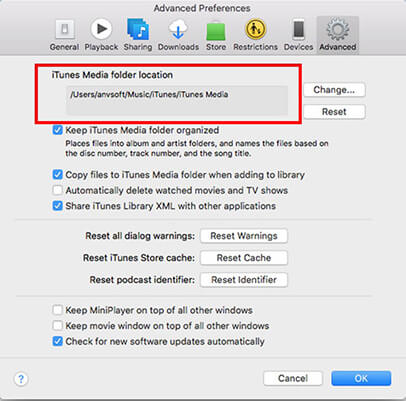
You can also check and change where does Apple Music store downloaded music on the iTunes app. To do that, open iTunes > Edit > Preferences > Advanced > iTunes Media folder location.
For Mac:
On Mac, the operating system manages tracks within the native Music app sandbox. The downloaded Apple Music files are stored in:
Step 1. Open Finder, click Go in the top menu bar on Mac.
Step 2. Choose Home > Music > Music > Media. And you can check your downloaded Apple Music files.
Tips:
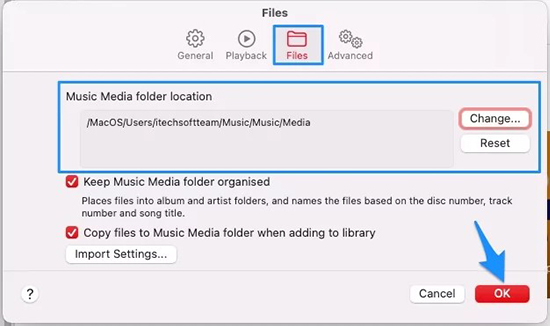
To change the Apple Music download location on Mac, open the Apple Music app > Music > Settings > Files.
Tips:
While you can use the steps outlined above to locate the raw download files on your drive, Apple Music's download restrictions prevent you from moving, copying, or playing them in other media players. If your goal is to freely transfer or back up your music files, skip ahead to Part 3.
Part 2. Where to Find Downloaded Apple Music on App for Offline Listening
While you cannot interact with downloaded Apple Music files directly on your device's storage, you can access them within the app for offline listening. These files can be read, indexed, and decoded by an authorized Apple Music player linked to an active subscription. Here is how to easily find and listen to your downloaded tracks directly within the Apple Music app:
For Android/iPhone:
Step 1. Open the Apple Music app.
Step 2. Choose Library and tap on Downloaded Music.
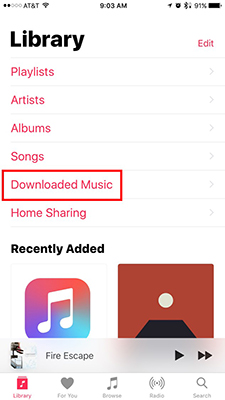
Step 3. Then you can see all your downloaded songs and listen to Apple Music offline.
For Windows:
Step 1. Open the Apple Music client for Windows Store on your computer.
Step 2. Look at the left sidebar under Library, and click Downloaded to play Apple Music without the internet connection.
For Mac:
Step 1. Launch the Apple Music app.
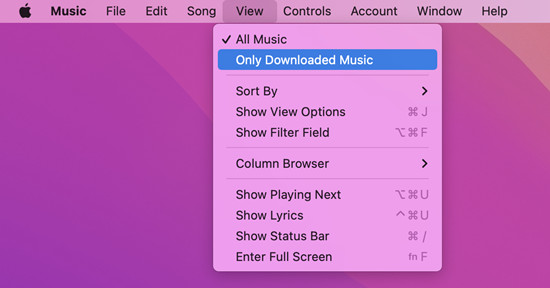
Step 2. Choose View > Only Downloaded Music and you can see all your Apple Music downloads.
Step 3. Then you can see all your downloaded songs and listen to them offline.
The Subscription Trap:
If you sign out of your Apple ID, change your region, or let your subscription lapse, iOS, Android, and Windows will instantly trigger an automated security script that completely wipes these local download caches from your hard drive to protect copyright.
Part 3. How to Download Apple Music for Playing Anywhere
If you want to locate local Apple Music downloads and move them to a USB drive, an old-school MP3 player, a Wi-Fi 7 home media server (NAS), or keep them permanently offline, you must strip away the M4P encryption wrapper.
This is where DRmare Apple Music Converter comes in. Optimized for hardware environments (including Apple M-Series and Intel Core Ultra architectures), DRmare bypasses deployment walls by decoding the Apple Music stream directly and converting it into completely open, unprotected files at a blistering 30X rendering speed.
As mentioned above, while you can view Apple Music downloads, you cannot move them to other devices. This is because Apple Music songs are protected and encoded in a special M4P format. So, to bypass the restriction, you need to convert Apple Music to a common format like MP3.
- Lossless Preservation: Retains original Apple Music audio parameters, allowing you to export tracks as high-fidelity FLAC or WAV to preserve Audiophile-grade quality.
- Metadata Archive: Keeps 100% of ID3 tags intact (album art, artist, year, track number).
- Universal Compatibility: Plays smoothly on Android, iOS, Windows, Mac, Apple Watch, Smart TVs, and car infotainment systems.
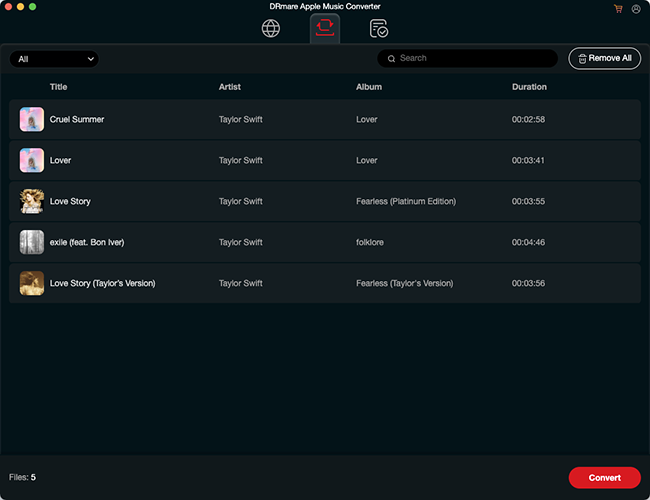
Step 1. Download and open the DRmare Apple Music Converter, you can access the integrated Apple Music Web Player. Click the Sign In button to log into your Apple Account and open your library directly. Browse the player to find your preferred songs, playlists, or albums. Once you open the target item, click the red + button followed by the Add to List button to instantly load the tracks into the conversion queue.
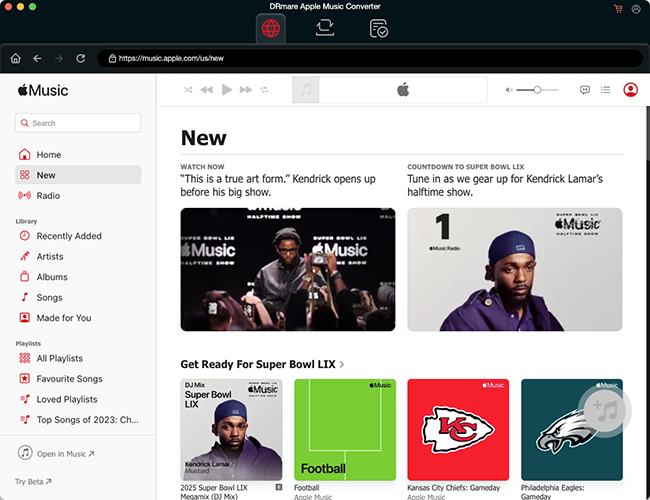
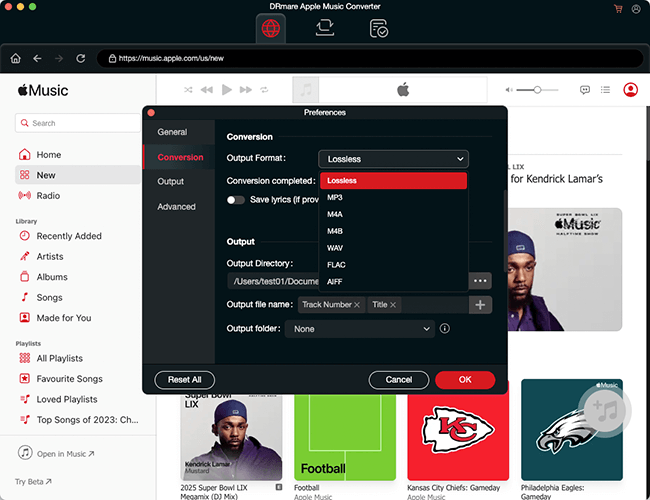
Step 2. To configure your preferences, click the Menu icon at the top-right corner of the interface on Windows or DRmare Apple Music Converter option on Apple menu bar and select Preferences.
In the settings panel, you can choose your target output format to match your needs and fine-tune advanced audio parameters, including the codec, channel, sample rate, and bitrate, before confirming your choices.
Step 3. Click Convert to start downloading and converting Apple Music as common files. You won't wait for too long because its conversion speed is 30X. When it finishes, you can click on the Converted list to view the converted Apple Music files. And they can be listened to and moved freely without limits.
Part 4. How to Move Local Apple Music Downloads to Android/iOS
With DRmare Apple Music Converter, you can store common Apple Music files on your computer. Afterwards, you can easily transfer them to other devices such as MP3 players, smart watches, etc. Here we would like to show you how to move Apple Music downloads to Android or iOS devices for playback.
Moving to Android (The Fast MTP Method)
Step 1. Link your Android phone to your PC/Mac using a high-speed USB-C cable.
Step 2. Swipe down on your phone screen, open the USB notifications, and select File Transfer (MTP) mode.
Step 3. Open your computer's file explorer, find the converted DRmare music folder, and perform a simple copy-paste straight into your Android's local Music folder.
Moving to iOS (Using Modern Apple Syncing)
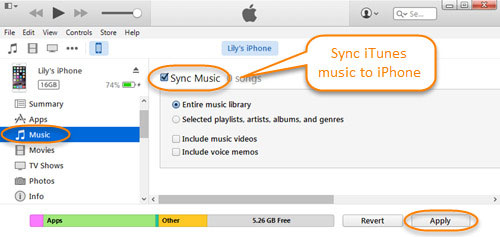
- On Windows: Open iTunes or the Apple Devices app, click File > Add Folder to Library, and choose your converted tracks. Connect your iPhone via USB, click your device icon, and hit Sync Music.
- On Mac (macOS Catalina to Sonoma/Sequoia): Open Finder, select your iPhone from the left-hand locations bar, navigate to the Music tab, check the boxes for your imported music folders, and click Apply/Sync to sync Apple Music to your iPhone.
Part 5. FAQs About Where Do Apple Music Downloads Go
Where does Apple Music store downloaded music?
To locate your offline library on your local hard drive, you can find the specific storage paths for each operating system detailed below.
- Windows (App):
C:\Users\[Username]\Music\Apple Music\Media\Downloads - Mac:
/Users/[Username]/Music/Music/Media/Music/ - Android:
Internal Storage/Android/data/com.apple.android.music/files/Media - iPhone / iPad (iOS): Hidden from the Files app in a sandboxed system directory (
/private/var/mobile/Media/iTunes_Control/Music/) with scrambled filenames.
How can I access my Apple Music downloads?
To access your Apple Music downloads, the steps depend entirely on whether you want to listen to them officially offline or find the actual hidden cache files on your device's hard drive.
Can I just manually change the file extension from .m4p to .mp3?
No. Changing the extension merely changes the label; it does not alter the underlying FairPlay encryption code block. The file will remain unreadable by non-Apple players.
Will I lose Apple Music's Lossless Audio quality during conversion?
Not if you configure it correctly. While converting to standard MP3 scales files down to a compressed format, selecting FLAC or WAV inside DRmare's advanced parameter settings preserves every single bit of the original studio master stream.
Part 6. In Conclusion
Now you've known where is downloaded Apple Music stored on Android, iOS, Windows, and Mac. While Apple Music's internal application design restricts where downloads go and how they behave, finding the storage pathways helps you manage your device's hard drive space. For true digital ownership, cross-platform freedom, and bulletproof offline archiving, shifting your library into universal formats via DRmare Apple Music Converter is the definitive, industry-standard solution.

 Home
Home




User Comments
Leave a Comment