





If you find a Protected MPEG-4 Audio File on your computer, you may wonder why the file cannot be converted to MP3, transferred to another device, or played outside Apple's ecosystem. A protected MPEG-4 audio file usually refers to audio content protected by Apple's FairPlay DRM, but the exact meaning depends on where the file comes from. There are two common situations:
Because these two types of protected audio files are often confused, the first step is understanding whether you have an old iTunes purchase or an Apple Music subscription download. This guide explains how to identify protected MPEG-4 audio files, and what options are available to unprotect MPEG-4 audio files (protected) to MP3.
Part 1. What Is a Protected MPEG-4 Audio File: iTunes Purchases vs Apple Music?
A Protected MPEG-4 Audio File is an audio file stored using the MPEG-4 container format that contains DRM restrictions. Apple mainly used DRM protection through its FairPlay system, which controls how digital music can be accessed and played. However, not all protected audio files come from the same source.
1. Protected iTunes Purchased Music (M4P)
During the early years of the iTunes Store, Apple used DRM technology to protect purchased music. These files were encoded using AAC compression inside an MPEG-4 container but included usage restrictions.
- Playing only on authorized Apple devices
- Requiring the original Apple account for playback
- Preventing direct conversion with standard audio converters
After Apple removed DRM protection from music purchases in 2009, new iTunes Store music generally became DRM-free.
2. Apple Music Downloaded Songs
Apple Music introduced a different type of protected content. When users download songs from Apple Music for offline listening, the files are protected because they are part of a subscription license. Therefore, these downloads:
- Require an active Apple Music subscription
- Can only be played inside supported Apple Music apps
- Cannot be exported as normal MP3 files
Therefore, Apple Music files are not the same as protected M4P purchases.
iTunes Purchases vs Apple Music Protected MPEG-4 Audio
| Features | iTunes Purchased Music | Apple Music Downloads |
|---|---|---|
| Ownership | Purchased | Subscription access |
| DRM | Older purchases may have DRM | Always protected |
| File purpose | Personal music library | Offline streaming |
| Keep after subscription ends | Yes | No |
| MP3 conversion | Depends on DRM status | Not supported normally |
Part 2. How to Check If Your MPEG-4 Audio File Is Protected
Apple originally implemented Digital Rights Management (DRM) technology to protect the copyrights of purchased iTunes songs and Apple Music downloads. This technology restricted the use of protected MPEG-4 audio files to authorized devices.
However, in 2009, Apple removed DRM restrictions from its entire purchased music catalog, enabling users to transfer and play their purchased music on any device freely. Here is how to check whether your audio file is protected:
Check If iTunes Music Is DRM-Protected
Before proceeding with unprotecting iTunes songs, it's important to first identify whether your songs are protected. Let's see the steps to check the DRM status of your iTunes music files, helping you pinpoint which ones need to be unprotected.
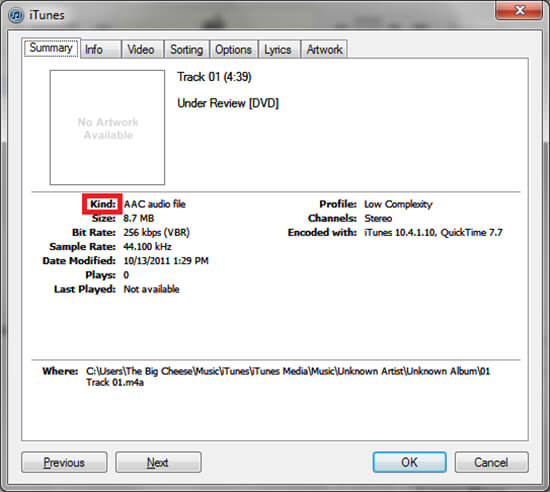
Step 1. Launch iTunes or Music app on your computer.
Step 2. Go to "View" > "Column Browser" > "Show View Options".
Step 3. Select the "Show Columns" drop-down menu.
Step 4. Select "File" > "Kind" and click on any iTunes song you would like to check and hit on "File".
Step 5. In the "Kind" section, you can see the file kind of your song. If it shows as a "Protected AAC audio file", the iTunes music is protected with DRM and can only be used within iTunes.
Step 6. If the file format is listed as "AAC audio file" or "MP3 audio file", it means the song is not DRM-protected.
Part 3. How to Unprotect iTunes MP4G-4 Audio Files (Protected)
Apart from using third-party iTunes music DRM removal software, there are two straightforward ways to remove these restrictions: by re-purchasing or re-downloading the tracks in iTunes.
Via Re-purchase
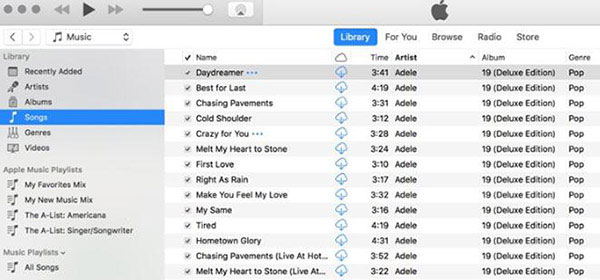
For older DRM-protected songs, one option is to re-purchase the music directly from the iTunes Store. Since Apple has removed DRM from its music library, any songs bought now will be DRM-free. Follow these steps to re-purchase the music:
Step 1. Open iTunes or the Apple Music app on your device.
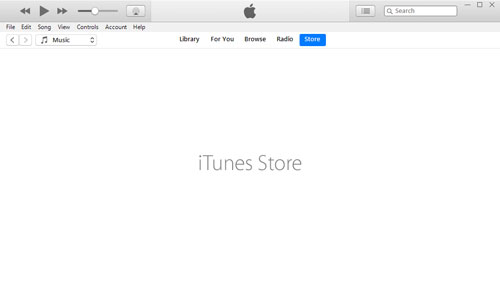
Step 2. Search for the DRM-protected song in the iTunes Store.
Step 3. Click on the song and complete the purchase.
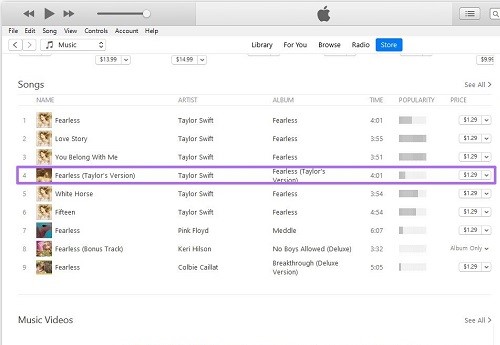
Step 4. After purchase, download the new version of the song, which will now be DRM-free. This ensures you have the latest DRM-free version of the track without limitations.
Via Re-download
If you purchased songs before 2009, you might be able to delete them by using the Remove Download option (not delete from your library) and re-download DRM-free versions of your songs without re-purchasing them. Here's how:
Step 1. Open iTunes or the Apple Music app and deactivate Sync Library.
Step 2. Navigate to your 'Library' and locate the DRM-protected songs.
Step 3. Delete the local copy of the protected song by clicking the 'Remove Download' button (but don't choose the option to delete it from your library).
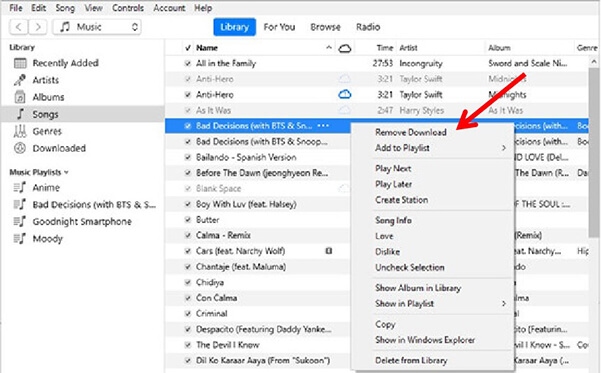
Step 4. Reactive the Sync Library, head to the iTunes Store and re-download the song. The new version should now be unprotected, allowing you to transfer and play it on any device.
Via iTunes Match
iTunes Match is a paid service from Apple that allows you to upload up to 100,000 tracks from your iTunes library to iCloud. Uploaded songs will be matched with DRM-free tracks in the iTunes Store. Afterwards, you can stream or download these DRM-free tracks to any device you want.
Note:
Instead of actually removing DRM from your music files, iTunes Match provides access to high-quality, DRM-free versions of songs via the cloud. And iTunes Match only works for DRM-protected iTunes purchases.
Step 1. Open the iTunes program and go to the 'iTunes Store'.
Step 2. Find and click on 'iTunes Match'
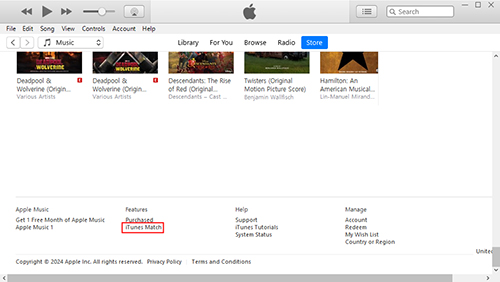
Step 3. Check for your payment info and hit 'Subscribe'.
Step 4. After subscribing, iTunes Match will scan your iTunes music library for matches automatically.
Step 5. Go to the "My Music" tab at the top of iTunes. Then choose the songs you want to remove DRM.
Step 6. Hit the 'Delete' key on your keyboard and then hit 'Delete Songs' at the pop-up text.
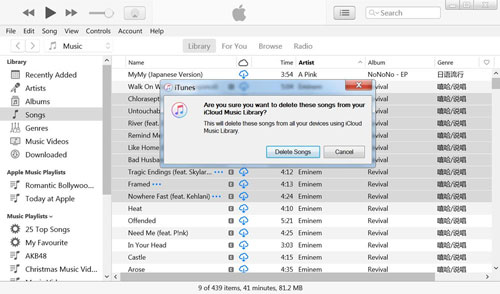
Step 7. After deleting the original DRM-protected iTunes purchases, you get the unprotected iTunes songs.
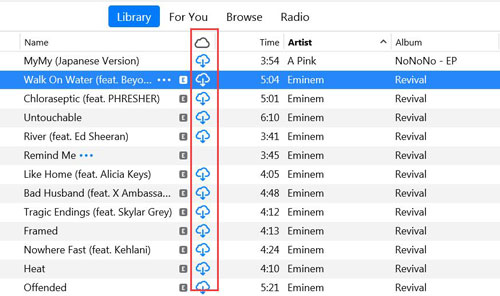
Step 8. To access them, go to "iTunes Store" > "Quick Links" > "Purchased" > 'Music'. You can click on the "Cloud" icon to re-download the unprotected iTunes purchases.
Part 4. How to Convert Protected Apple Music MPEG-4 Audio File to MP3
There is no official option to convert protected Appe Music to unprotected audio files. You have to use tool, like DRmare Apple Music Converter, which allows you to unprotect Apple Music files, and iTunes songs. It can also convert protected music to MP3, AIFF, M4A, M4B, WAV, and FLAC with lossless sound quality.
Plus, all the metadata information such as the year, title, album art, etc. will be preserved fully. This software works at a super-fast 30 times speed, and it supports batch conversion. With it, you can use unprotected iTunes music offline on any device without any limitations.
How to Unprotect Apple Music Files and iTunes Songs to MP3
Before we show you how to convert protected Apple Music to MP3, you can free install DRmare Apple Music Converter via the "Download" button above. It works well on both Windows and Mac computers. Just choose the right version according to your computer system.
- Step 1Load iTunes songs to DRmare Apple Music Converter
Open the DRmare Apple Music Converter on your Windows or Mac computer, and log into your Apple Account. Then browse and find protected iTunes files from your iTunes app. Copy the music link and paste it to the address bar of DRmare Apple Music Converter to load them. For adding Apple Music protected files, you can do this from the built-in Web Player.
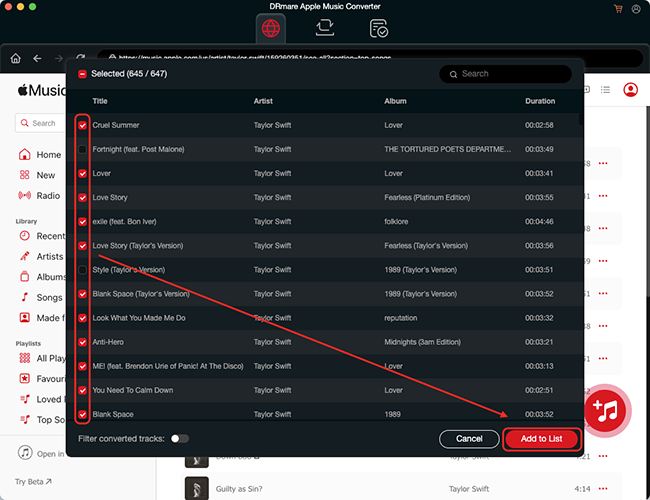
- Step 2Choose output format for iTunes music
Simply click the "Preferences" > "Conversion" section and you can select the output format for iTunes songs to match your needs. You are also allowed to change the codec, sample rate, bit rate, and so on. Remember to click on "OK" after the changes.
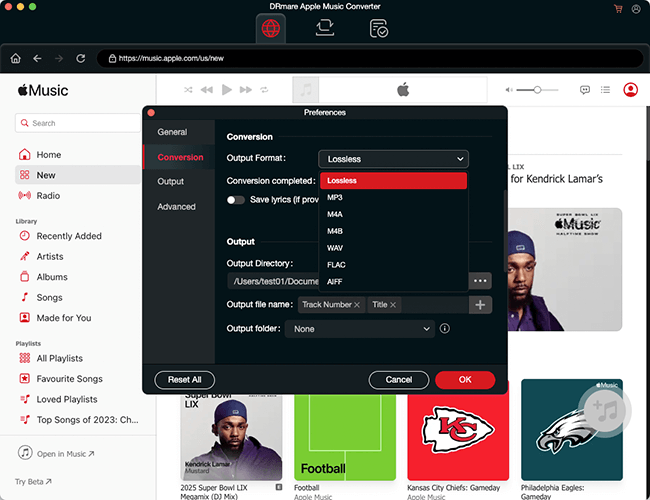
- Step 3Remove DRM protection from iTunes music and Apple Music
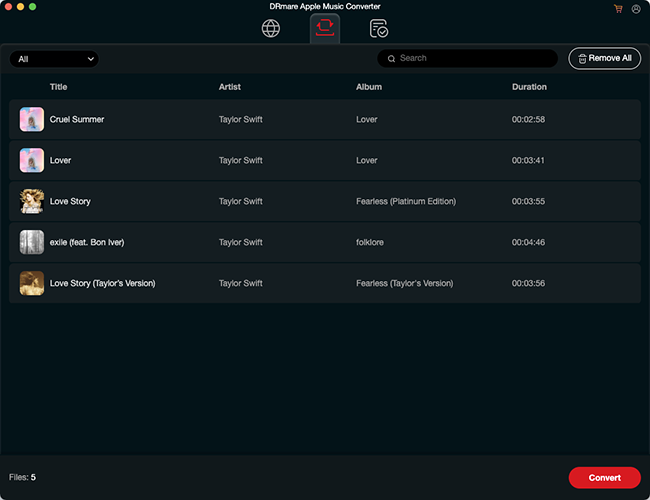
Please just click the "Convert" button to start the 30X conversion process. In a few minutes, DRmare Apple Music Converter will make protected AAC and MPEG audio file unprotect and convert them to the format you set before. Then you can see all your unprotected iTunes songs inside the "Converted" section. You can move them to any other device to play freely, no license is required.
Part 5. Which Is the Best Method to Unprotect MP4G-4 Audio Files
| Methods | Supported OS | Supported Input | Output Audio Quality | Easy to Use | Batch Processing | Time-Saving | Ratings |
|---|---|---|---|---|---|---|---|
| DRmare Apple Music Converter | Windows/Mac | iTunes music, Apple Music | Lossless | ✔ | ✔ | ✔ | ⭐️⭐️⭐️⭐️ |
| Re-download or Repurchase | Windows/Mac | iTunes music | Lossless | ✔ | ❌ | ❌ | ⭐️⭐️⭐️⭐️ |
| iTunes Match | Windows/Mac | purchased iTunes music | High | ✔ | ✔ | ❌ | ⭐️⭐️⭐️ |
Through the comparison table above, you can understand the advantages and disadvantages of the above 4 methods. Obviously, DRmare Apple Music Converter is the best tool to help you convert protected iTunes music and Apple Music. It is easy to use, saves time, and provides lossless output audio quality.

 Home
Home





What is the difference between iTunes Match and Apple Music? In this post, we will take Apple Music vs iTunes Match to do a detailed comparison. You can have a look of it.